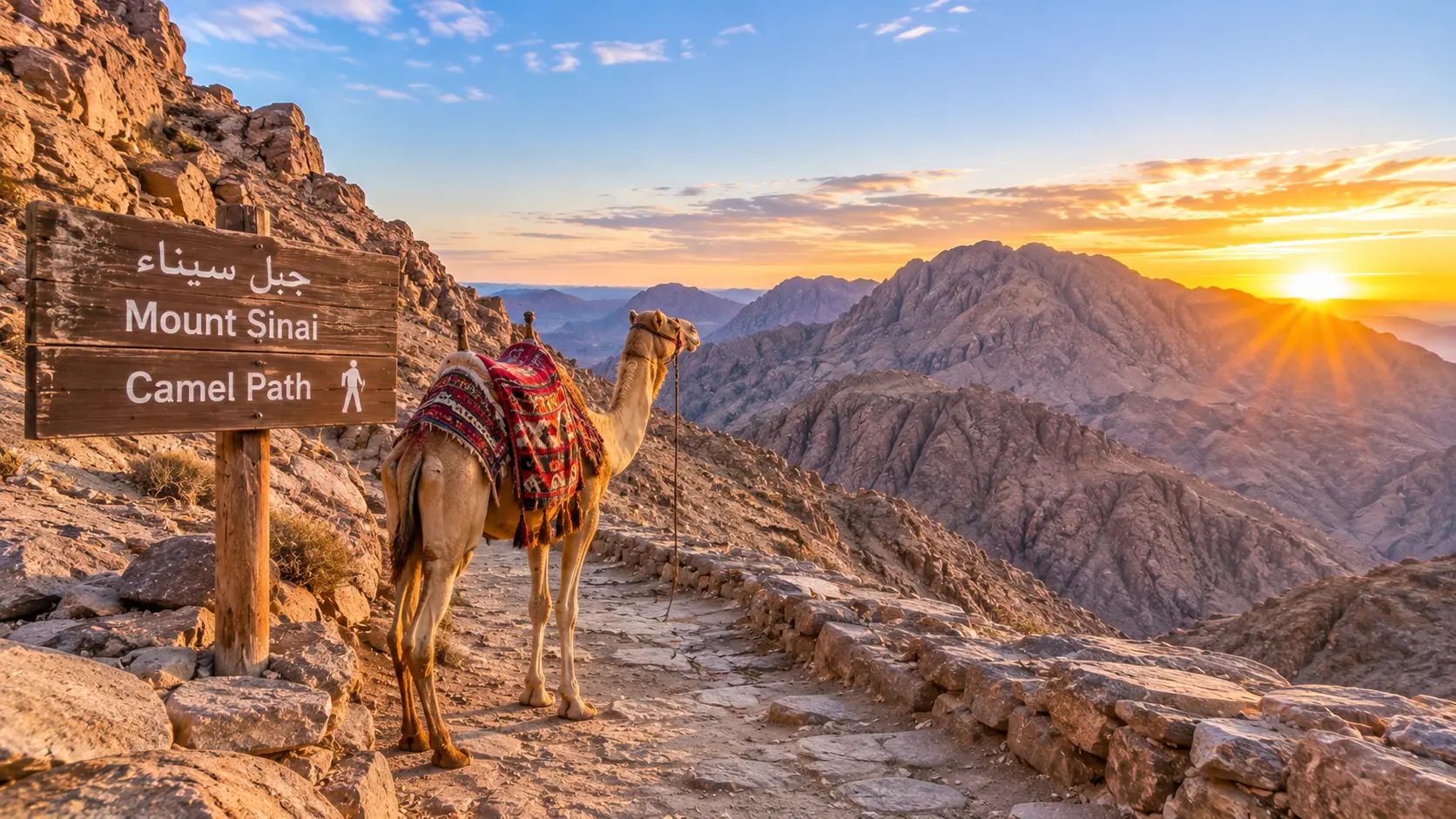
Have you ever imagined standing on top of a mountain while the first rays of sunlight slowly illuminate a beautiful desert landscape? That’s exactly the kind of experience that makes hiking the Camel Path at Mount Sinai so special.
Located in Egypt’s stunning Sinai Peninsula, Mount Sinai attracts travelers, adventure enthusiasts, and religious pilgrims throughout the year. Its impressive mountain scenery, spiritual significance, and unforgettable sunrise views make it one of the most fascinating hiking destinations in the region.
However, choosing the right time for your hike can make a huge difference. Temperature, seasonal weather, wind conditions, and daylight hours all influence how comfortable your journey will be.
So, when should you plan your adventure?
In this guide, we’ll explore the best season, month, and time of day to hike the Camel Path at Mount Sinai. We’ll also cover weather conditions, sunrise experiences, hiking preparation, and practical tips to help you enjoy your visit.
What Is the Camel Path at Mount Sinai?
The Camel Path is a winding mountain trail that visitors use to climb Mount Sinai, also known as Jebel Musa, in Egypt.
Unlike the steep Steps of Repentance, this route follows a more gradual path around the mountain. Its winding design makes the ascent less direct but generally more manageable for people who prefer a steady climb.
The route passes through rugged mountain terrain and offers beautiful views of the surrounding Sinai landscape.
Many travelers choose the Camel Path because it provides a chance to enjoy the scenery without immediately facing a steep staircase.
Understanding the Camel Trail
The Camel Path gets its name from the traditional use of camels to transport visitors along parts of the mountain route.
Local Bedouin communities have historically provided camel transportation and guidance to travelers exploring Mount Sinai.
Today, visitors may still find camel ride services along certain sections, depending on local availability and regulations.
However, reaching the summit generally requires walking the final section of the trail.
Why Do Travelers Choose This Hiking Route?
The main attraction of the Camel Path is its gradual ascent.
Instead of climbing hundreds of steep stone steps, hikers follow a winding trail that gradually gains elevation.
This makes the route appealing to visitors who want a less steep approach while enjoying the surrounding scenery.
The experience is particularly beautiful during sunrise, when the changing light transforms the rocky mountains into shades of orange, gold, and red.
Best Time of Year to Hike the Camel Path at Mount Sinai
The best time to hike the Camel Path at Mount Sinai is generally during spring and autumn.
These seasons often provide more comfortable temperatures for outdoor activities compared with the intense summer heat or colder winter nights.
However, each season has its own advantages. Your ideal travel period depends on whether you prefer mild weather, quieter surroundings, or a particular sunrise experience.
Hiking During Spring (March to May)
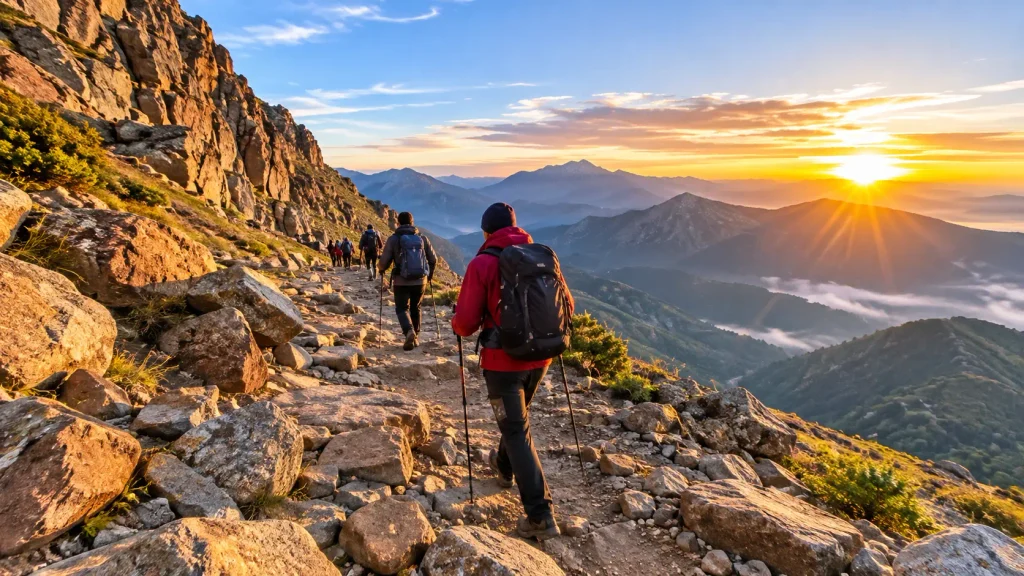
Spring is one of the most enjoyable seasons for hiking Mount Sinai.
During March, April, and May, daytime temperatures are generally more comfortable than during the summer months.
The pleasant conditions make it easier to walk along the Camel Path without dealing with extreme daytime heat.
Spring also provides beautiful mountain scenery and opportunities to enjoy photography.
Why choose spring?
- More comfortable daytime hiking temperatures.
- Generally pleasant conditions for outdoor activities.
- Good opportunities for sunrise photography.
- Suitable for travelers planning longer mountain excursions.
April and early May can be particularly appealing, although temperatures may rise toward the end of spring.
Hiking During Summer (June to August)
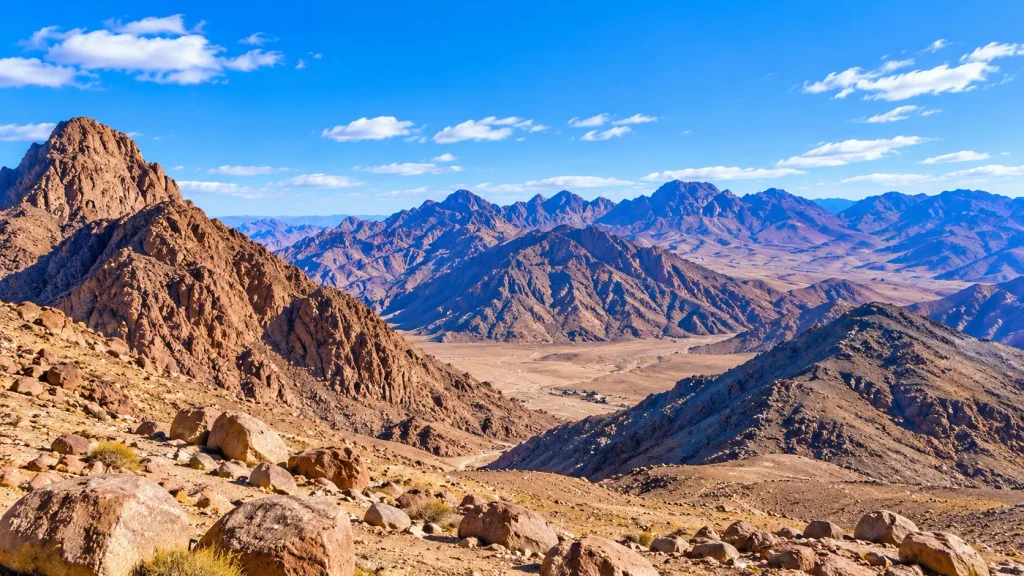
Summer brings considerably hotter conditions to the Sinai region.
June, July, and August can be challenging for daytime hiking because temperatures may become uncomfortable, especially on exposed sections of the mountain.
If you’re visiting during summer, consider an overnight hike or an early morning departure arranged with an authorized local guide.
Nighttime conditions are usually more suitable for walking than the hottest part of the day, but the mountain can still be warm.
Why choose summer?
- Longer daylight hours.
- Potentially comfortable conditions during cooler nighttime periods.
- Opportunities to experience a dramatic sunrise.
Things to remember:
- Carry sufficient drinking water.
- Avoid strenuous hiking during peak afternoon heat.
- Wear breathable clothing.
- Use sunscreen and sun protection.
- Check the weather before departure.
Summer hiking requires extra preparation, so don’t underestimate the desert heat.
Hiking During Autumn (September to November)
Autumn is another excellent season for hiking the Camel Path at Mount Sinai.
As September progresses into October and November, temperatures generally become more comfortable.
The cooler conditions make walking more enjoyable, especially for visitors who want to explore the mountain without rushing.
Autumn is also a good time for travelers interested in combining their hike with other experiences in the Saint Catherine region.
Why choose autumn?
- More comfortable hiking conditions.
- Less intense heat than summer.
- Pleasant temperatures during many daytime hours.
- Beautiful conditions for mountain photography.
October and November are particularly attractive months for visitors who prefer moderate weather.
Hiking During Winter (December to February)
Winter offers a completely different experience on Mount Sinai.
During December, January, and February, daytime temperatures are generally cooler, while nighttime and early morning conditions can become very cold.
Because many visitors hike the Camel Path before sunrise, winter clothing is essential.
At higher elevations, temperatures can drop significantly, and strong winds may make the summit feel even colder.
Occasional snow or icy conditions are also possible.
Why choose winter?
- Cooler daytime hiking conditions.
- A unique mountain atmosphere.
- Beautiful sunrise views when skies are clear.
- A different perspective on the Sinai landscape.
Winter can be rewarding, but preparation is especially important. Bring a warm jacket, gloves, and suitable footwear.
Best Time of Day to Hike the Camel Path
Choosing the right season is only part of the planning process. The time you begin your hike also matters.
Many visitors prefer nighttime departures because they want to reach the summit before sunrise.
However, early morning and evening hikes can also offer different experiences depending on local access arrangements and weather conditions.
Night Hiking for Sunrise Views
Night hiking is one of the most popular ways to experience the Camel Path.
Most organized sunrise excursions begin during the night, allowing visitors to climb the mountain before daylight.
Walking beneath a clear desert sky can be an unforgettable experience.
As you gradually approach the summit, the darkness begins to fade and the surrounding mountains become visible.
The main advantage is that you avoid much of the daytime heat.
However, nighttime hiking requires proper preparation.
Carry a headlamp, wear comfortable hiking shoes, bring warm clothing, and stay with your group.
Early Morning Hiking Experience
Early morning is another appealing time to explore Mount Sinai.
Once the sun rises, the surrounding mountains become easier to see, making the route more visually interesting.
Temperatures are also generally cooler than during the afternoon.
If you’re not interested in a nighttime sunrise excursion, an early morning hike may be an alternative, subject to local opening hours and access arrangements.
Remember that starting after sunrise means you will miss the summit sunrise experience.
Afternoon and Evening Hiking Conditions
Afternoon hiking is generally less attractive during hot months because the exposed mountain terrain can become uncomfortable.
However, cooler afternoons during spring, autumn, and winter may offer pleasant walking conditions.
Evening hiking can be an alternative for certain guided excursions, but you should always check the available route arrangements.
Avoid setting out after dark without suitable lighting or guidance.
Is Sunrise the Best Time to Visit Mount Sinai?
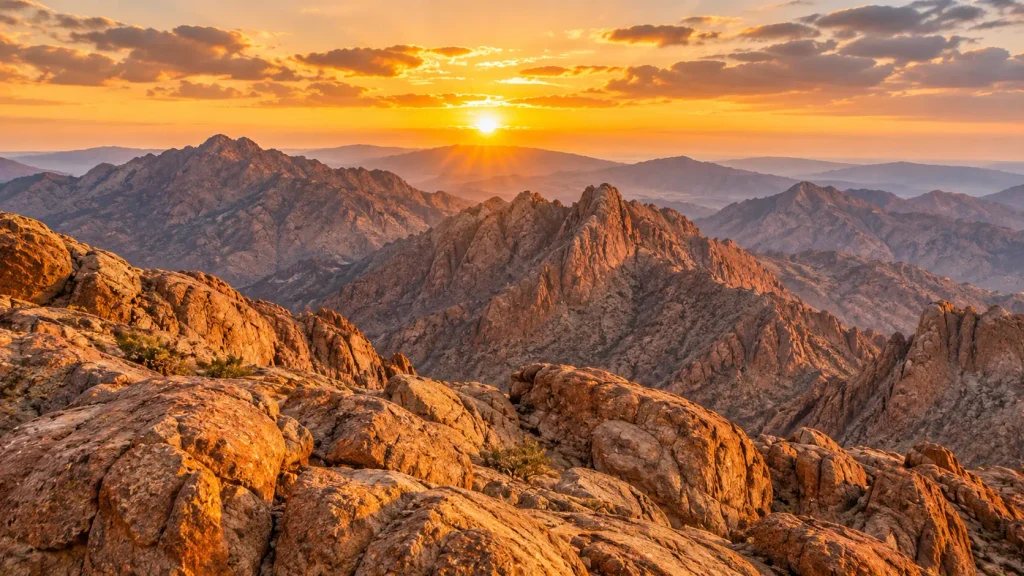
For many travelers, sunrise is the highlight of visiting Mount Sinai.
The experience combines the peaceful atmosphere of the mountain with breathtaking views as the sun rises above the surrounding peaks.
The changing colors create an impressive natural display, making the summit especially attractive to photographers and nature lovers.
What Makes the Sunrise Experience Special?
Mount Sinai is famous for its historical and religious importance, but its natural beauty is equally impressive.
Watching the sunrise from the summit gives you a chance to appreciate the scale of the surrounding mountains.
The landscape slowly changes from dark silhouettes into a spectacular combination of golden, orange, and reddish colors.
For religious pilgrims, the experience can also feel deeply meaningful.
For adventure travelers, it is a memorable reward after completing the uphill journey.
Planning Your Sunrise Hiking Schedule
If you want to watch the sunrise, plan your departure carefully.
The exact starting time depends on the date, sunrise time, walking speed, and weather conditions.
As a general planning approach:
- Check the local sunrise time.
- Confirm the hiking schedule with your tour operator.
- Allow enough time for the uphill walk.
- Include breaks along the route.
- Reach the summit before sunrise.
- Carry warm clothing for the waiting period.
Avoid rushing to reach the summit. A comfortable and safe hike is more important than arriving at a specific minute.
How Weather Affects the Camel Path at Mount Sinai
Weather is one of the most important factors when choosing your hiking time.
Mount Sinai sits in a mountainous desert environment, where temperatures can change considerably between daytime and nighttime.
Even if the weather feels warm at the bottom of the mountain, the summit may be much colder.
Daytime and Nighttime Temperature Differences
During the day, the exposed mountain terrain can become hot, particularly in summer.
After sunset, temperatures generally fall, sometimes quite sharply.
This difference is especially important for visitors planning overnight hikes.
You might begin your journey wearing light clothing and reach the summit needing a warm jacket.
Layering your clothing is one of the easiest ways to stay comfortable.
Wind, Rain, and Mountain Conditions
Wind can make the mountain feel colder than the actual temperature.
Rain, poor visibility, and occasional icy conditions may also affect hiking safety.
Before leaving, check the forecast and follow local advice regarding trail accessibility.
If conditions are unsafe, postpone the hike rather than taking unnecessary risks.
What Is the Best Month for Hiking Mount Sinai?
If you’re looking for a simple recommendation, April, October, and November are generally good months to consider.
These months often provide a balance between comfortable temperatures and enjoyable outdoor conditions.
Here’s a quick comparison:
| Month | Typical Hiking Experience |
| January | Cold nights and cool days |
| February | Cool weather, cold summit conditions |
| March | Increasingly pleasant temperatures |
| April | Generally comfortable hiking conditions |
| May | Warmer days and cooler nights |
| June | Hot daytime conditions |
| July | Very hot daytime conditions |
| August | Very hot daytime conditions |
| September | Gradually cooling conditions |
| October | Generally pleasant hiking weather |
| November | Comfortable days and colder nights |
| December | Cold nighttime conditions |
These are general seasonal descriptions, not guaranteed weather conditions. Always check the forecast for your actual travel dates.
How Long Does the Camel Path Hike Take?
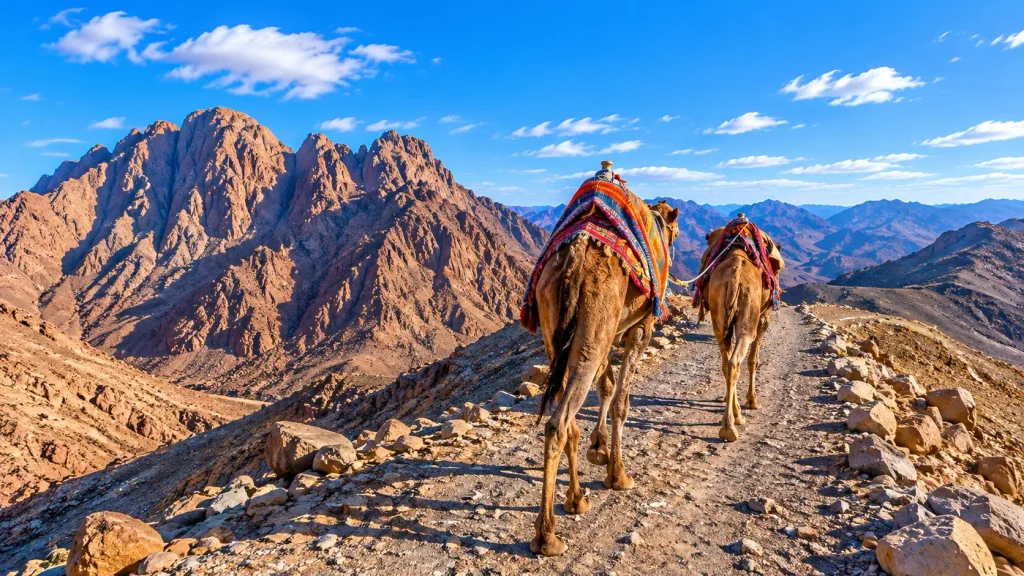
The time required to hike the Camel Path depends on your fitness level, walking speed, weather, and rest periods.
As a general estimate, the uphill section may take approximately two to three hours.
You’ll also need additional time for the final summit approach, sunrise viewing, photography, and the descent.
Estimated Hiking Time to the Summit
Many sunrise tours begin during the night to give visitors sufficient time to reach the top before daylight.
The Camel Path provides a gradual ascent, but the distance and elevation gain still require effort.
If you’re a beginner, allow additional time rather than trying to keep pace with faster hikers.
Time Needed for Rest Stops and Photography
Don’t forget to include breaks in your schedule.
You may want to stop for water, catch your breath, or photograph the surrounding landscape.
During a sunrise hike, the summit can also become busy, so allowing extra time gives you a more relaxed experience.
What to Wear and Pack for Different Seasons
Preparing the right clothing and equipment can make your Mount Sinai experience much more comfortable.
Your packing list should depend on the season, time of day, and expected weather.
Essential Clothing for Warm Weather
If you’re hiking during spring or summer, choose lightweight and breathable clothing.
Consider packing:
- Comfortable hiking trousers.
- Breathable shirts.
- A sun hat.
- Sunglasses.
- Comfortable hiking shoes.
- Sunscreen.
- A light jacket for cooler hours.
Avoid clothing that restricts movement or makes walking uncomfortable.
Winter Hiking Clothing and Accessories
Winter visitors should prepare for cold nighttime and summit conditions.
Useful items include:
- A warm insulated jacket.
- Thermal base layers.
- Gloves.
- A warm hat.
- Thick hiking socks.
- Comfortable trekking shoes.
Important Items to Carry During Night Hikes
Regardless of the season, certain items are especially useful when hiking after dark.
Bring a headlamp or flashlight, spare batteries, water, a small backpack, and a fully charged mobile phone.
A portable power bank can also be useful.
Keep essential items easily accessible so you don’t have to search through your backpack while walking.
Tips for Choosing the Perfect Hiking Time
Still unsure when to plan your visit?
Use these practical tips to choose a suitable hiking period.
- Check the weather forecast: Look at both daytime and nighttime temperatures.
- Consider your fitness level: Choose a schedule that allows enough time for walking and rest.
- Plan around sunrise: If you want sunrise views, arrange your departure accordingly.
- Avoid extreme heat: Summer afternoon hikes can be uncomfortable.
- Prepare for cold conditions: Even warmer months can bring chilly mountain nights.
- Book a reliable local guide: Confirm the route and current access arrangements.
- Allow extra time: Don’t create an itinerary that requires you to rush.
A little planning can turn a challenging mountain walk into a much more enjoyable adventure.
Is the Camel Path Suitable for Beginners?
Yes, the Camel Path can be suitable for beginners who have reasonable physical fitness and are comfortable with prolonged uphill walking.
Its gradual route is generally less steep than the Steps of Repentance, making it an appealing option for people who prefer a steady climb.
However, beginners should remember that this is still a mountain hike.
Uneven ground, changing temperatures, and the elevation gain can make the journey physically demanding.
Start slowly, take regular breaks, and listen to your body.
If you’re concerned about the difficulty, discuss your fitness level and available options with your local guide before booking.
Safety Tips for Hiking the Camel Path at Mount Sinai
A beautiful sunrise is worth enjoying, but safety should always come first.
Keep these precautions in mind:
- Follow designated hiking routes and local instructions.
- Carry sufficient drinking water.
- Wear shoes with reliable grip.
- Bring warm clothing for nighttime hiking.
- Use a headlamp after dark.
- Avoid hiking alone in unfamiliar areas.
- Check weather conditions before departure.
- Take regular breaks during the climb.
- Avoid rushing along rocky sections.
- Follow your guide’s advice and local access regulations.
If you experience dizziness, severe exhaustion, or unusual discomfort, stop and seek assistance.
Remember, reaching the summit is only one part of the experience. Getting there safely matters most.
Conclusion
Choosing the best time to hike the Camel Path at Mount Sinai can make your entire adventure more enjoyable. Spring and autumn are generally excellent seasons because they often offer comfortable temperatures and pleasant hiking conditions.
If you’re dreaming of watching the sunrise, an overnight hike is a popular option. However, remember that nighttime temperatures can be surprisingly cold, even when the daytime weather feels warm.
Prepare according to the season, check local weather conditions, wear suitable footwear, and allow enough time to enjoy the journey.
Whether you’re visiting for the mountain scenery, spiritual significance, or unforgettable sunrise views, the Camel Path at Mount Sinai offers an experience worth planning carefully.
FAQs
Q1. What is the best month to hike the Camel Path at Mount Sinai?
April, October, and November are generally good months to hike the Camel Path at Mount Sinai. These months often offer comfortable temperatures and suitable conditions for outdoor activities. However, always check the local forecast before traveling.
Q2. Is it better to hike Mount Sinai at night or during the day?
Night hiking is popular among visitors who want to watch the sunrise from the summit. It also helps avoid much of the daytime heat. Daytime hiking offers better visibility of the surrounding landscape, but temperatures can become uncomfortable during warmer months.
Q3. Can you hike the Camel Path during summer?
Yes, summer hiking is possible, but daytime temperatures can be very high. An overnight or early morning excursion may be more comfortable. Carry enough water, use sun protection, and follow local guidance.
Q4. How cold does Mount Sinai get at sunrise?
Mount Sinai can become quite cold before sunrise, especially during winter. Wind can make conditions feel even colder. Bring a warm jacket, gloves, and layered clothing to stay comfortable while waiting at the summit.
Q5. Do I need a guide to hike the Camel Path?
Guided hikes are a practical option, particularly for first-time visitors and nighttime excursions. Local guides can help with route navigation, access arrangements, and understanding the area’s history. Check current local regulations to confirm whether a guide is required.