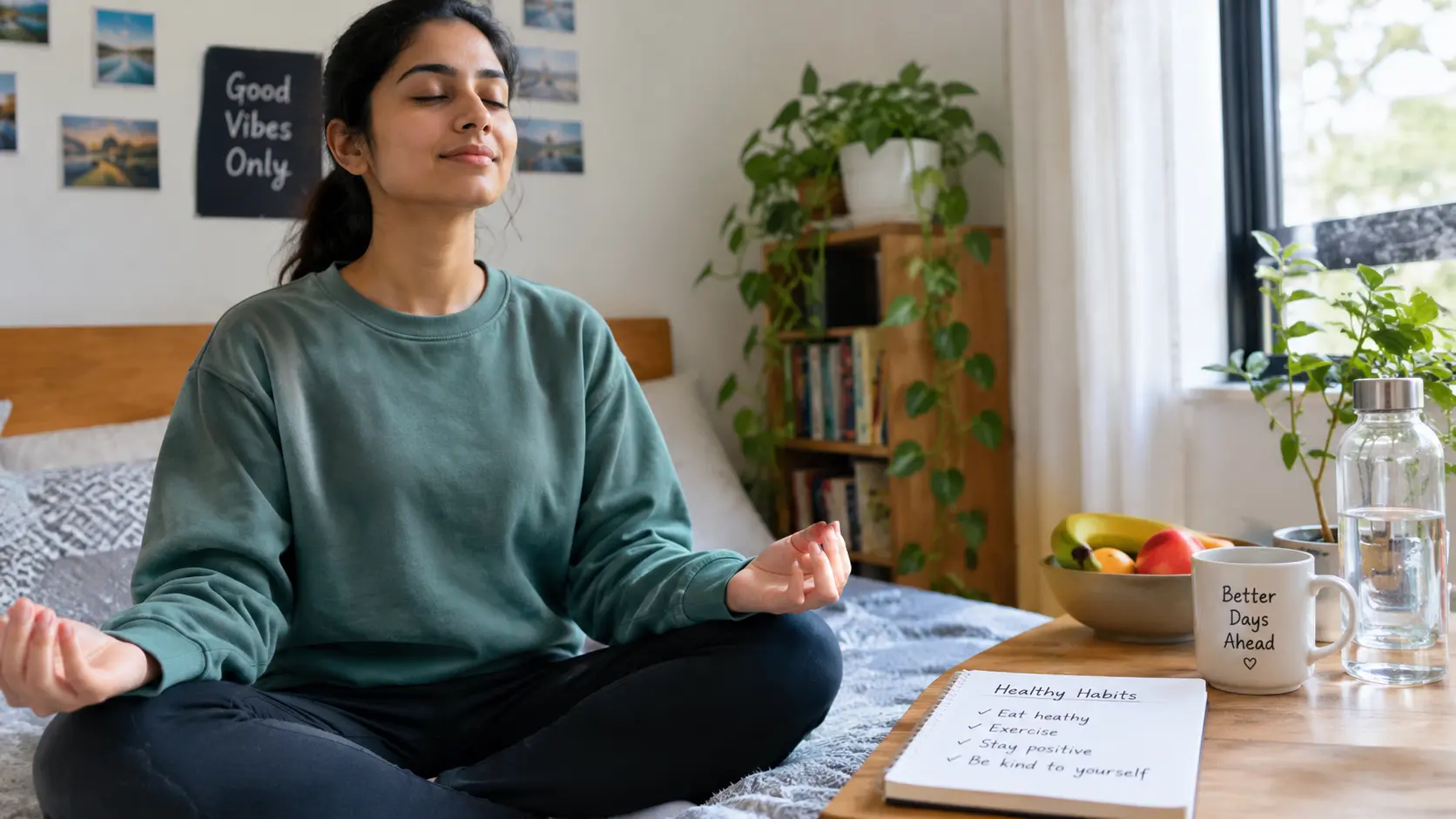
Introduction: Why Mental Health Matters More Than Ever in 2027
Life in 2027 is moving faster than ever. Between work pressure, financial responsibilities, family commitments, social media, and everyday challenges, finding peace of mind can sometimes feel impossible. Many people wake up feeling tired, spend their days worrying about different responsibilities, and go to bed with a mind that simply refuses to switch off.
This is why taking care of your mental health should be one of your biggest priorities.
Mental health affects how you think, feel, behave, handle stress, build relationships, and make everyday decisions. When your emotional well-being is in a good place, you are generally better prepared to face life’s challenges. However, when your mental health suffers, even small responsibilities can begin to feel overwhelming.
The good news? You don’t always need expensive wellness programs or complicated lifestyle changes to start feeling better. Simple habits, including regular exercise, nutritious food, quality sleep, mindfulness, and meaningful relationships, can support better mental well-being.
In this guide, we’ll explore 15 natural ways to improve mental health in 2027. Whether you’re dealing with everyday stress, feeling emotionally exhausted, or simply looking to build healthier habits, these practical suggestions can help you create a healthier and more balanced lifestyle.
Understanding Mental Health and Emotional Well-Being
Before exploring practical solutions, it’s important to understand what mental health actually means and why it deserves attention.
What Is Mental Health?

Mental health refers to your emotional, psychological, and social well-being. It influences how you understand yourself, respond to situations, manage emotions, and interact with other people.
It isn’t simply about avoiding mental illnesses. Good mental health also involves developing resilience, maintaining healthy relationships, managing everyday challenges, and finding meaning in life.
For example, someone with good mental well-being can still experience sadness, frustration, anxiety, or disappointment. The difference is that they may have healthier ways to understand and manage those emotions.
Why Mental Well-Being Is Important in Everyday Life
Your mental health influences almost everything you do.
It can affect your productivity at work, concentration during studies, communication with family members, and ability to make important decisions.
When you regularly look after your emotional health, you may find it easier to:
- Manage everyday stress and difficult situations.
- Maintain healthy personal relationships.
- Improve concentration and productivity.
- Develop confidence and self-esteem.
- Make thoughtful decisions.
- Maintain a healthier work-life balance.
- Enjoy everyday experiences more fully.
Think of mental health as the foundation of a house. You might have beautiful furniture and decorations, but without a strong foundation, the entire structure becomes vulnerable. In the same way, physical success and professional achievements cannot replace emotional well-being.
15 Natural Ways to Improve Mental Health in 2027
Improving mental health doesn’t require changing your entire lifestyle overnight. The best approach is to introduce small, realistic habits that you can maintain over time.
Here are 15 practical strategies worth incorporating into your daily routine.
1. Follow a Healthy and Balanced Diet

Have you ever noticed that your mood changes when you skip meals or eat unhealthy food throughout the day? Your eating habits can influence your energy, concentration, and overall well-being.
Your brain needs nutrients to function properly. Eating a balanced diet that includes vegetables, fruits, whole grains, protein, and healthy fats supports overall brain and physical health.
Try incorporating foods such as:
- Leafy green vegetables like spinach.
- Fruits such as bananas, oranges, and berries.
- Nuts and seeds, including almonds and walnuts.
- Whole grains such as oats and brown rice.
- Protein sources such as eggs, beans, lentils, and fish.
- Healthy fats from olive oil and other nutritious foods.
Foods That Support Brain Health
Omega-3 fatty acids, vitamins, minerals, and other essential nutrients contribute to normal brain function.
For example, walnuts, fatty fish, chia seeds, and flaxseeds can be part of a balanced eating pattern.
However, remember that no single food can cure anxiety, depression, or other mental health conditions. Focus on consistency rather than searching for a magical superfood.
A simple starting point is to eat regular meals, avoid excessive highly processed foods, and make nutritious choices whenever possible.
2. Exercise Regularly to Boost Your Mood
Physical activity is one of the most accessible natural ways to support mental health.
You don’t need an expensive gym membership or an intense workout schedule. Even a simple walk around your neighborhood can help you become more active and improve your mood.
Exercise supports mental well-being in several ways. It can reduce stress, improve sleep, increase confidence, and provide a healthy break from repetitive thoughts.
Some activities worth trying include:
- Walking for 20–30 minutes.
- Cycling around your neighborhood.
- Swimming.
- Dancing to your favorite music.
- Practicing yoga.
- Playing outdoor sports.
The National Health Service (NHS) also identifies physical activity as one of its five recommended steps for better mental well-being.
You can read its guidance here: NHS – 5 Steps to Mental Wellbeing .
The most important thing is to choose an activity you genuinely enjoy. When exercise feels enjoyable rather than compulsory, you’re more likely to continue doing it.
3. Prioritize Quality Sleep
Sleep and mental health are closely connected. When you don’t get enough rest, you may feel irritated, emotionally sensitive, distracted, or overwhelmed by ordinary situations.
Poor sleep can also make it harder to manage stress and regulate your emotions.
Most adults generally need around seven to nine hours of sleep each night, although individual requirements can vary.
To develop healthier sleeping habits:
- Go to bed and wake up at consistent times.
- Avoid heavy meals immediately before bedtime.
- Reduce screen exposure before sleeping.
- Keep your bedroom comfortable, quiet, and dark.
- Avoid consuming caffeine late in the day.
- Create a relaxing nighttime routine.
Try reading a book, listening to calming sounds, or taking a warm shower before bed.
Remember, quality sleep isn’t wasted time. It’s an essential part of maintaining your physical and psychological well-being.
4. Practice Mindfulness and Meditation
Do you ever find yourself worrying about tomorrow while completely forgetting to enjoy today?
This is where mindfulness can help.
Mindfulness means paying attention to the present moment without immediately judging your thoughts or emotions. Instead of allowing every worry to control your attention, you learn to notice what’s happening and respond more thoughtfully.
You don’t need to meditate for an hour to get started.
Try this simple five-minute exercise:
- Sit somewhere comfortable.
- Close your eyes if that feels comfortable.
- Take slow, natural breaths.
- Notice how your body feels.
- When your mind wanders, gently bring your attention back to your breathing.
You can also practice mindfulness while eating, walking, listening to music, or enjoying nature.
The NHS explains how mindfulness can support awareness of thoughts, feelings, and everyday experiences in its official mindfulness guide .
Keep in mind that mindfulness doesn’t work equally well for everyone. If a particular practice increases your distress, stop and consider another approach.
5. Spend More Time in Nature
Sometimes, the best thing you can do for your emotional well-being is step away from your usual surroundings.
Spending time outdoors can provide a refreshing break from screens, responsibilities, and constant distractions.
Consider visiting a nearby park, walking through a garden, sitting under a tree, or enjoying some sunlight in the morning.
Nature-based activities can also encourage physical movement and mindfulness.
You don’t have to travel to a beautiful mountain destination to enjoy these benefits. Even 15 minutes outside during a busy day can create an opportunity to slow down and reconnect with your surroundings.
Make outdoor time a regular part of your lifestyle rather than something you only do during holidays.
6. Build Strong Social Connections
Humans need meaningful relationships. Having someone who listens without judging you can make difficult situations feel more manageable.
When you’re struggling emotionally, isolating yourself may seem easier. However, avoiding everyone for long periods can increase feelings of loneliness.
Try making small efforts to stay connected:
- Call a close friend.
- Spend quality time with family.
- Share your feelings with someone you trust.
- Arrange a weekly meeting with a friend.
- Join a community group or social activity.
- Participate in activities that bring people together.
You don’t need hundreds of friends to experience meaningful social support. A few trustworthy relationships can make a significant difference.
The NHS also recommends connecting with other people as an important step toward better mental well-being.
7. Manage Everyday Stress Naturally
Stress is a normal part of life. Work deadlines, financial concerns, relationship difficulties, and unexpected responsibilities can affect anyone.
The goal isn’t to eliminate every stressful situation. Instead, it’s to develop healthier ways of responding to pressure.
Start by identifying what triggers your stress.
Is it excessive work? Lack of sleep? Financial uncertainty? Too many commitments?
Once you understand the causes, you can begin making practical changes.
Some useful stress management techniques include:
- Breaking large tasks into smaller steps.
- Taking short breaks during work.
- Practicing deep breathing.
- Writing down your worries.
- Spending time outdoors.
- Talking to someone you trust.
- Making realistic daily plans.
Another helpful technique is to separate things you can control from things you cannot control.
For example, you cannot control every decision other people make, but you can control how you communicate your feelings and establish personal boundaries.
8. Reduce Screen Time and Social Media Use
Technology makes communication and learning easier, but excessive screen time can interfere with your mental well-being.
Social media can sometimes create unrealistic expectations. You might compare your appearance, career, relationships, or lifestyle with carefully selected images of other people’s lives.
Over time, this comparison can affect your confidence and emotional health.
Try creating healthier digital habits.
- Avoid checking your phone immediately after waking up.
- Turn off unnecessary notifications.
- Take regular breaks from social media.
- Avoid scrolling while eating.
- Keep your phone away from your bed.
- Unfollow accounts that consistently make you feel inadequate.
You don’t need to delete every social media application. The objective is to develop a healthier relationship with technology.
Use your devices intentionally instead of allowing them to control your attention throughout the day.
9. Develop a Consistent Daily Routine
A predictable daily routine can make life feel more organized and manageable.
When your sleeping, eating, working, and relaxation schedules constantly change, it may become harder to maintain healthy habits.
A simple routine provides structure without making your life feel restrictive.
For example, you could:
- Wake up at approximately the same time.
- Drink water and eat breakfast.
- Complete important tasks during your most productive hours.
- Include physical activity.
- Take breaks between responsibilities.
- Spend time with family or friends.
- Follow a relaxing bedtime routine.
Don’t try to create a perfect schedule immediately. Start with two or three habits and gradually build from there.
Consistency matters more than perfection.
10. Practice Gratitude and Positive Thinking
It’s easy to focus on everything going wrong while overlooking the small things that make life meaningful.
Gratitude encourages you to notice positive experiences, even when life isn’t perfect.
One simple method is to write down three things you’re grateful for every evening.
They don’t have to be extraordinary.
You might appreciate:
- A supportive conversation.
- A delicious meal.
- A productive day.
- Time spent with your family.
- A peaceful morning.
- Completing a difficult task.
Gratitude doesn’t mean pretending that problems don’t exist. It means acknowledging the positive aspects of life alongside the difficult ones.
Similarly, positive thinking isn’t about forcing yourself to feel happy all the time. It’s about developing a more balanced and realistic perspective.
11. Stay Hydrated Throughout the Day
Water is essential for normal body functions, including maintaining physical performance and supporting concentration.
Not drinking enough water can contribute to dehydration, which may affect your energy and ability to focus.
Make hydration a simple daily habit.
Keep a water bottle nearby, drink water regularly, and include water-rich foods such as cucumbers, oranges, and watermelon in your meals.
Your hydration needs depend on factors such as activity level, climate, and overall health.
Remember that drinking more water than your body needs won’t automatically improve mental health. The aim is simply to maintain adequate hydration.
12. Make Time for Hobbies and Creative Activities
When was the last time you did something simply because you enjoyed it?
Many people become so focused on responsibilities that they forget to make room for activities that bring happiness.
Hobbies provide an opportunity to relax, express yourself, develop skills, and enjoy something outside your daily obligations.
You could try:
- Painting or drawing.
- Gardening.
- Cooking new recipes.
- Playing a musical instrument.
- Reading books.
- Photography.
- Writing a journal.
- Learning a new language.
Creative activities can also give you a sense of achievement.
You don’t need to become an expert. The purpose is to enjoy the process and create space for something meaningful.
13. Set Healthy Personal Boundaries
Your time, energy, and emotional well-being deserve protection.
Sometimes, stress doesn’t come from having too many responsibilities alone. It comes from accepting responsibilities that you don’t realistically have the capacity to manage.
Healthy boundaries help you recognize your limits.
For example, you can politely decline an invitation when you’re exhausted, avoid answering work messages during personal time, or communicate when someone’s behavior makes you uncomfortable.
Setting boundaries doesn’t mean being selfish or disrespectful.
It means understanding that you cannot constantly meet everyone’s expectations while ignoring your own needs.
Start with small changes. Learn to say no when necessary, communicate clearly, and give yourself permission to rest.
14. Avoid Alcohol and Other Harmful Substances
Some people turn to alcohol, nicotine, or other substances when they’re experiencing emotional stress.
Although these substances may temporarily change how you feel, relying on them can create additional problems.
Alcohol, for example, can interfere with sleep quality and emotional regulation. Substance use can also complicate existing mental health difficulties.
Instead of depending on harmful coping mechanisms, explore healthier alternatives.
Try walking, talking to someone you trust, practicing relaxation techniques, or participating in an enjoyable activity.
If you’re already struggling with substance dependence, professional support can help you explore safer ways to recover.
15. Seek Professional Mental Health Support When Needed
Natural lifestyle changes can support mental well-being, but they aren’t a replacement for professional mental health treatment.
Sometimes, emotional difficulties become too complicated to manage independently.
If you’re experiencing persistent sadness, overwhelming anxiety, panic attacks, major sleep disturbances, or difficulty completing everyday responsibilities, consider speaking with a qualified mental health professional.
A psychologist, psychiatrist, counselor, or other appropriate healthcare provider can help identify what you’re experiencing and recommend suitable treatment.
The National Institute of Mental Health (NIMH) provides helpful information about recognizing symptoms and deciding when to seek assistance.
Explore its resource: My Mental Health: Do I Need Help? – NIMH .
Remember, asking for help isn’t a weakness. It’s a positive step toward taking care of yourself.
If you have thoughts of suicide or feel at risk of harming yourself, seek immediate professional or emergency support rather than relying on lifestyle changes alone.
The Connection Between Physical Health and Mental Health
Your body and mind work together. When one struggles, the other can be affected.
For example, poor sleep may leave you emotionally exhausted. Ongoing stress can influence appetite and physical energy. Similarly, physical inactivity may contribute to low energy and reduced motivation.
This connection is why a balanced lifestyle is so important.
The World Health Organization (WHO), in its guidance on self-care, highlights healthy eating, physical activity, sufficient sleep, avoiding harmful substances, and social connection as important self-care practices.
You can explore its recommendations here: WHO – Self-Care for Health and Well-Being .
Think about your overall lifestyle instead of focusing on one habit.
Eating well, exercising regularly, sleeping properly, and maintaining healthy relationships can work together to support your mental and physical well-being.
However, lifestyle improvements cannot guarantee that someone will avoid mental illness. Mental health is influenced by biological, psychological, social, and environmental factors.
Common Habits That Can Harm Your Mental Health
Sometimes, improving mental health is not just about adding positive habits. It’s also about recognizing behaviors that may be making things harder.
Ignoring Your Sleep Schedule
Regularly staying awake late, sleeping at inconsistent times, and sacrificing rest for unnecessary activities can affect your energy and emotional balance.
Try making sleep a priority rather than treating it as an optional part of your schedule.
Spending Too Much Time Online
Constant notifications, endless scrolling, and excessive digital consumption can reduce opportunities for rest and meaningful offline experiences.
Create screen-free periods during your day to give your mind a break.
Avoiding Social Interaction
Spending time alone can be healthy when it’s your choice. However, withdrawing from everyone when you’re emotionally struggling may increase loneliness.
Maintain contact with people you trust, even when you don’t feel particularly social.
Neglecting Your Emotional Needs
Ignoring sadness, frustration, exhaustion, or anxiety doesn’t make these feelings disappear.
Give yourself time to recognize your emotions and understand what might be causing them.
If difficult feelings persist, consider professional support rather than trying to handle everything alone.
How to Create a Simple Daily Mental Health Routine
You don’t need a complicated wellness schedule to improve your mental health. A few realistic habits throughout the day can provide a helpful starting point.
Morning Habits for a Positive Start
Start your day without immediately checking work messages or social media.
Instead:
- Wake up at a consistent time.
- Drink a glass of water.
- Spend a few minutes stretching.
- Enjoy a balanced breakfast.
- Get some natural daylight.
- Identify your main priorities for the day.
These small actions can help you begin the morning with greater structure.
Afternoon Habits for Better Focus
The afternoon is often when energy and concentration begin to decrease.
Take a short walk, eat a nutritious meal, and give yourself brief breaks between demanding tasks.
If you’re feeling overwhelmed, write down what needs to be done and focus on one task at a time.
Avoid expecting yourself to remain productive every minute.
Evening Habits for Emotional Relaxation
Your evening routine should help you gradually move away from the pressures of the day.
Consider:
- Spending quality time with family.
- Reading a few pages of a book.
- Preparing for the next day.
- Writing down your thoughts.
- Reducing screen time.
- Going to bed at a consistent time.
The goal is to create a comfortable transition between your daily responsibilities and nighttime rest.
How Long Does It Take to Improve Mental Health Naturally?
One common question people ask is how long it takes to notice improvements in mental health after changing their lifestyle.
The honest answer is that there is no universal timeline.
Some people notice improvements in their mood or energy after introducing regular exercise, improving their sleep, or spending more time outdoors. Others may need several weeks or longer to develop consistent habits and experience meaningful changes.
Your starting point, lifestyle, environment, physical health, and individual circumstances all play a role.
Here are a few things to remember:
- After a few days: You may begin feeling more organized by following a consistent routine.
- After a few weeks: Regular exercise and improved sleep habits may start feeling more natural.
- After a few months: Consistent self-care practices may become an established part of your lifestyle.
These are general possibilities, not guaranteed results or medical timelines.
Don’t compare your progress with someone else’s journey. Mental well-being isn’t a competition. Focus on small improvements and give yourself enough time to build sustainable habits.
When Should You Seek Professional Help?
Natural mental health strategies are useful, but sometimes they aren’t enough.
If you regularly experience emotional distress that interferes with your work, education, relationships, or everyday responsibilities, consider speaking with a qualified healthcare professional.
Some signs that you may need additional support include:
- Persistent sadness or hopelessness.
- Frequent anxiety or panic attacks.
- Difficulty sleeping for an extended period.
- Losing interest in activities you previously enjoyed.
- Significant changes in appetite.
- Difficulty concentrating.
- Feeling emotionally overwhelmed most of the time.
- Struggling to manage normal daily responsibilities.
You don’t have to wait until things become unbearable before asking for help.
Professional support may include psychotherapy, counseling, medication, or a combination of treatments depending on your individual needs.
Natural approaches and professional treatment can work alongside each other. Never stop prescribed medication or replace recommended treatment with supplements or lifestyle changes without discussing it with your healthcare provider.
If you’re experiencing thoughts of suicide or immediate danger, contact local emergency services or seek urgent mental health assistance.
Conclusion
Learning how to improve mental health naturally in 2027 starts with understanding that your emotional well-being deserves consistent attention. You don’t need to transform your entire life overnight or follow an unrealistic wellness routine to make a difference.
Start with simple habits. Eat nutritious meals, exercise regularly, prioritize quality sleep, practice mindfulness, spend time outdoors, and maintain meaningful relationships. Reduce unnecessary screen time, establish healthy boundaries, and make room for activities that genuinely make you happy.
Most importantly, remember that taking care of your mental health is not a one-time achievement. It’s an ongoing journey that requires patience, self-awareness, and consistency.
Some days will feel easier than others, and that’s completely normal. Give yourself permission to slow down, recognize your emotions, and seek professional support whenever necessary.
Your mental health matters. Start with one small positive change today, and gradually build a lifestyle that supports a healthier, happier, and more balanced future.
FAQs
Q1. What Is the Best Natural Way to Improve Mental Health?
There isn’t one single method that works for everyone. However, regular physical activity, nutritious eating, quality sleep, mindfulness, and strong social connections are excellent starting points. Combining these habits can support emotional well-being and help you manage everyday stress.
Q2. Can Exercise Improve Mental Health?
Yes. Regular physical activity can support better mood, reduce stress, improve sleep, and increase self-confidence. Walking, cycling, swimming, yoga, and dancing are accessible activities you can include in your routine. Even short periods of movement can contribute to your overall physical and mental well-being.
Q3. Which Foods Are Good for Mental Health?
A balanced diet containing leafy green vegetables, fruits, whole grains, nuts, seeds, eggs, legumes, and healthy fats supports overall health and normal brain function. Fatty fish and foods containing omega-3 fatty acids can also be included in a nutritious eating pattern. No individual food should be considered a treatment for mental health conditions.
Q4. How Can I Improve My Mental Health Without Medication?
You can support your mental well-being through healthy lifestyle habits, including regular exercise, sufficient sleep, mindfulness, social interaction, and stress management. However, if you have a diagnosed mental health condition, medication may be an important part of your treatment. Discuss your options with a qualified healthcare professional rather than stopping prescribed medication independently.
Q5. How Can I Reduce Stress and Anxiety Naturally?
Try practicing slow breathing, taking regular walks, maintaining a consistent sleep schedule, reducing excessive screen time, and talking with someone you trust. Breaking large responsibilities into smaller tasks can also make stressful situations feel more manageable. If anxiety becomes persistent or interferes with everyday life, consider seeking professional help.