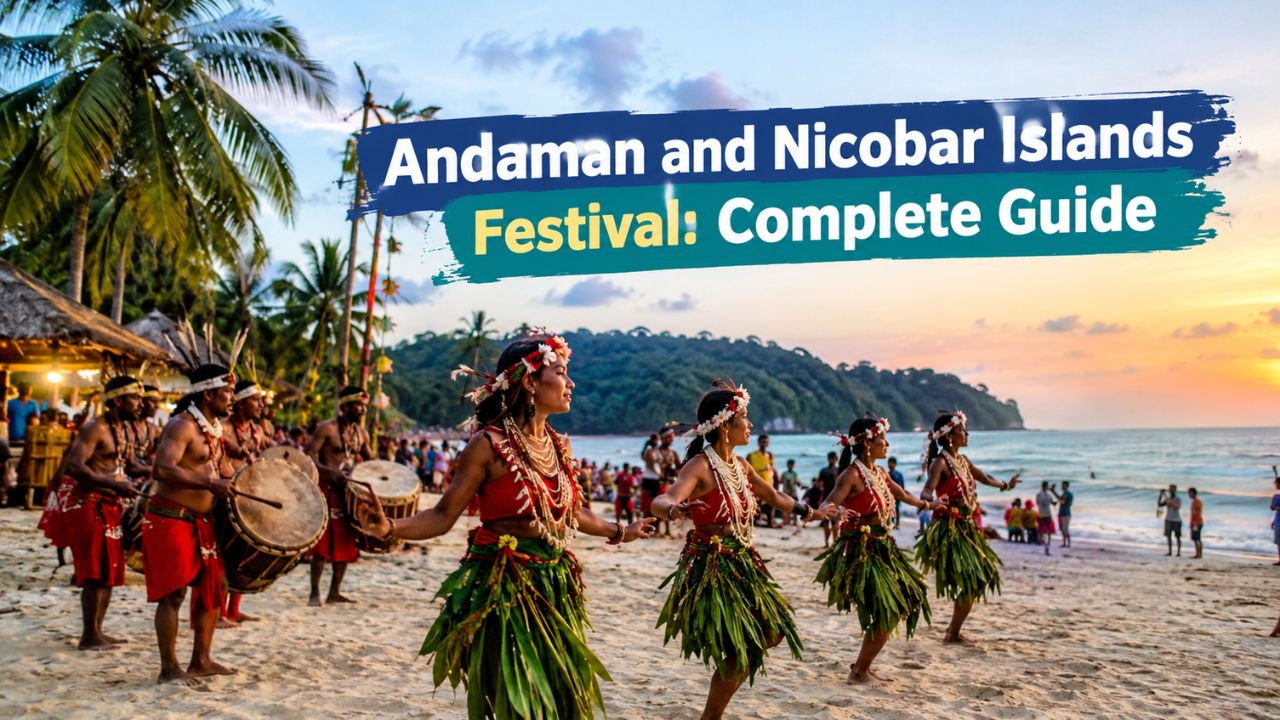
The Andaman and Nicobar Islands Festival offers visitors an opportunity to discover the cultural side of one of India’s most beautiful island destinations. While the islands are famous for turquoise waters, sandy beaches, coral reefs, and tropical forests, their festivals reveal another fascinating side of local life.
From colourful cultural performances and food celebrations to community fairs and religious occasions, festivals bring people together and showcase the diversity of the islands. You can enjoy traditional music, explore local handicrafts, taste regional dishes, and learn about customs that make this destination unique.
One of the best-known organised events is the Island Tourism Festival, which has historically featured cultural programmes, exhibitions, and entertainment. Other celebrations, including food festivals and community events, take place at different times throughout the year.
Whether you’re planning a family holiday, a romantic escape, or an adventure with friends, attending a festival can add something special to your trip. Let’s explore the famous festivals, cultural traditions, travel options, and practical tips you should know before visiting.
Introduction to Andaman and Nicobar Islands Festivals
The Andaman and Nicobar Islands are home to people from different parts of India, creating a diverse cultural environment. Communities have brought their languages, cuisines, religious traditions, music, and festivals to the islands over generations.
As a result, the festival calendar includes organised tourism events as well as celebrations connected with individual communities. Some events are designed to attract visitors, while others are primarily local or religious occasions.
Imagine spending the morning exploring a tropical beach and the evening watching a cultural performance or sampling regional food. This combination of nature and culture is what makes a festival-focused holiday so appealing.
Festivals can also support local artists, performers, food vendors, and small businesses. Visitors get an opportunity to experience more than the usual tourist attractions, while local communities can showcase their skills and traditions.
However, festival dates, locations, and programmes can change from year to year. Before booking flights or accommodation specifically for an event, confirm the latest schedule through official tourism announcements.
What Is the Island Tourism Festival?
The Island Tourism Festival is one of the best-known organised tourism and cultural events in the Andaman and Nicobar Islands. It aims to promote tourism while showcasing the region’s cultural activities, local talent, and community life.
The festival has historically included music, dance, exhibitions, handicrafts, food stalls, and performances by artists from different backgrounds. Its format and duration may vary between editions.
For visitors, it offers an opportunity to experience several activities in one place instead of travelling between different venues to find separate cultural events.
History of the Island Tourism Festival
The event was originally known as Island on the March before being renamed the Island Tourism Festival in 1994. Over time, it became associated with tourism promotion and cultural presentations across the island territory.
The festival has helped introduce visitors to local artistic traditions, public exhibitions, and the work of different organisations and businesses.
Its programme may include performances by cultural groups, displays of local products, and activities highlighting the region’s tourism potential. The locations hosting activities can differ, so visitors should check the schedule for the particular edition they want to attend.
Main Attractions and Activities
The Island Tourism Festival may feature several attractions, depending on the official programme.
- Cultural performances: Watch music, dance, and stage presentations.
- Local exhibitions: Explore displays from local businesses and organisations.
- Handicrafts: Discover handmade products and regional souvenirs.
- Food stalls: Sample dishes influenced by the islands’ diverse communities.
- Entertainment: Enjoy performances and activities scheduled for festival visitors.
- Community participation: Learn about the work of local artists and cultural groups.
The best approach is to check the programme before arriving. That way, you can plan around the performances or activities that interest you most.
Famous Festivals in Andaman and Nicobar Islands
The islands host different types of festivals throughout the year. Some are tourism-focused events, while others celebrate regional history, community life, food, and culture.
Here are several festivals and celebrations worth learning about before planning your trip.
1. Island Tourism Festival
The Island Tourism Festival is a popular choice for travellers who want to experience the cultural side of the islands.
Depending on the edition, the event can include cultural performances, music, exhibitions, handicraft displays, and entertainment. It has historically been associated with the winter tourism season, although dates and arrangements can change.
The festival is particularly suitable for visitors who want to combine sightseeing with organised cultural activities.
Best for: Families, culture enthusiasts, photographers, and travellers interested in local arts.
2. Subhash Mela
Subhash Mela is associated with the birth anniversary of Netaji Subhas Chandra Bose and has traditionally been held on Swaraj Dweep, formerly known as Havelock Island.
The celebration has featured cultural programmes and community activities. Its connection with an important figure in Indian history makes it an interesting event for visitors who enjoy learning about historical commemorations.
If you want to attend, confirm the dates and programme with local tourism authorities before making special travel arrangements.
Best for: History enthusiasts and travellers interested in cultural celebrations.
3. Vivekananda Mela
Vivekananda Mela has traditionally been associated with the birth anniversary of Swami Vivekananda and celebrations on Shaheed Dweep, formerly known as Neil Island.
Historical tourism descriptions mention cultural programmes connected with the occasion. The arrangements and availability of current editions should be confirmed locally.
If you’re already visiting Shaheed Dweep, checking for a scheduled cultural event may add another experience to your itinerary.
Best for: Visitors interested in cultural programmes and community celebrations.
4. Block Mela
Block Mela is a community-oriented event historically associated with Diglipur in North Andaman.
Such fairs can highlight local activities, rural development, community participation, and regional products. They offer a different experience from large tourism events because they are connected more closely with everyday community life.
The programme may change from year to year, so check local announcements if you plan to travel specifically for the fair.
Best for: Travellers interested in local communities and experiences outside the main tourist centres.
5. Beach Festival
Beach festivals combine outdoor entertainment with the coastal atmosphere that makes the Andaman Islands famous.
Depending on the event, visitors may find cultural performances, games, recreational activities, and family-friendly entertainment.
Imagine enjoying the sea breeze while attending an outdoor event near the coast. It can be a memorable addition to a beach holiday, especially if you enjoy spending time outdoors.
However, not every beach hosts a festival every year. Check official announcements for the confirmed venue, timings, and activities.
6. Monsoon Food and Culture Festival
Food festivals provide an excellent way to explore the region through its cuisine and cultural activities.
The Monsoon Food and Culture Festival has featured regional dishes, seafood, agricultural products, handicrafts, and entertainment. One reported 2026 edition was scheduled for 17–19 July at the ITF Ground in Sri Vijaya Puram.
Those dates refer to that particular edition, not a guaranteed annual schedule.
For food lovers, this type of event can be an opportunity to try unfamiliar dishes, learn about regional ingredients, and support local vendors.
Best for: Families, food enthusiasts, and travellers interested in local cuisine.
7. Island Coconut Festival
Coconuts are closely connected with tropical island life, from cooking and traditional products to agriculture and handicrafts.
The Island Coconut Festival celebrates the importance of coconut through displays, related products, cultural activities, and other festival attractions.
A reported 2026 edition was rescheduled for 24–25 October at the ITF Pavilion. Future editions may have different dates or arrangements, so check the latest official announcements.
Best for: Visitors interested in local products, food, agriculture, and cultural exhibitions.
8. World Tourism Day Celebrations
World Tourism Day is observed internationally on 27 September. The occasion provides an opportunity to promote tourism awareness and responsible travel.
In the Andaman and Nicobar Islands, tourism-related activities may include cultural presentations, public events, or awareness programmes, depending on the year’s arrangements.
If you’re planning a September trip, check the official calendar to see whether any events coincide with your visit.
Traditional and Religious Festivals
Alongside organised tourism festivals, many residents celebrate religious and regional occasions that reflect their family histories and cultural backgrounds.
These festivals are part of the wider social life of the islands and can provide visitors with an appreciation of the region’s diversity.
Durga Puja
Durga Puja is an important celebration among Bengali communities. It honours Goddess Durga and often includes decorated pandals, devotional music, cultural performances, and community gatherings.
Visitors may find celebrations in different locations, depending on the community and local organisers. The festival generally falls in September or October, according to the Hindu lunar calendar.
If you attend a public celebration, follow the organisers’ instructions and ask permission before photographing people.
Pongal
Pongal is a traditional Tamil harvest festival that celebrates prosperity, gratitude, and the agricultural cycle.
Celebrations may include preparing a special rice dish, decorating homes, visiting relatives, and participating in religious or community activities.
In the Andaman and Nicobar Islands, Tamil communities maintain their own customs and ways of observing the occasion. Local arrangements can differ between families and locations.
Diwali and Holi
Diwali and Holi are widely celebrated Indian festivals that may be observed by communities across the islands.
Diwali is associated with lights, family gatherings, sweets, and religious ceremonies. Holi is known for colours, music, and social celebrations.
The exact activities depend on the location and organisers. Visitors should follow local safety advice and respect people who do not wish to participate.
Eid and Christmas
Eid celebrations bring families and communities together for prayers, meals, and gatherings. Christmas is observed by Christian communities and may include church services, decorations, music, and festive meals.
These occasions reflect the religious diversity of the islands. Their celebrations are not necessarily tourism events, so visitors should approach places of worship respectfully and check whether public activities are open to guests.
Indigenous Communities and Cultural Heritage
The cultural heritage of the Andaman and Nicobar Islands includes Indigenous communities with distinct histories, languages, traditions, and ways of life.
These communities should never be treated as one group. Their experiences and customs differ, and some maintain very limited contact with outsiders.
The Nicobarese people, for example, have distinctive community traditions and social practices. Historical tourism descriptions also refer to ceremonies associated with remembrance of deceased family members. Such descriptions should not be taken as a complete representation of every community or its present-day practices.
For visitors, respect is essential. Not every ceremony is open to the public, and cultural traditions should not be treated as entertainment without permission.
Some Indigenous communities and their territories are protected by strict laws and access restrictions. Do not attempt to enter restricted tribal areas or approach isolated communities.
Instead, learn about the region’s heritage through authorised museums, official cultural programmes, and reliable educational resources.
Where Are the Festivals Celebrated?
Festival venues vary according to the event and the year. Some celebrations take place in the main administrative centre, while others are associated with different islands and local communities.
Sri Vijaya Puram
Sri Vijaya Puram, formerly known as Port Blair, is the administrative centre of the Andaman and Nicobar Islands.
It is an important base for tourists and hosts a range of cultural and tourism activities. The ITF Ground is a recognised venue for festival programmes, although not every event takes place there.
While staying in Sri Vijaya Puram, you can also explore attractions such as the Cellular Jail, museums, and nearby beaches.
If you’re visiting for a festival, confirm the precise venue and timings before planning your local transport.
Swaraj Dweep
Swaraj Dweep, formerly known as Havelock Island, is famous for its beaches and water-based activities.
It has also been associated with Subhash Mela. Travellers can combine sightseeing with a confirmed cultural event if the dates align.
However, allow sufficient time for ferry travel and check the current transport schedule before making reservations.
Shaheed Dweep
Shaheed Dweep, formerly known as Neil Island, is a quieter destination popular with visitors seeking beaches and natural scenery.
It has traditionally been associated with Vivekananda Mela. If an event is scheduled during your visit, it may offer an opportunity to experience local cultural activities alongside sightseeing.
Confirm current arrangements with local organisers before making specific plans.
North and Middle Andaman
North and Middle Andaman include destinations with communities and landscapes that differ from those around Sri Vijaya Puram.
Diglipur, for example, has historically been associated with Block Mela.
Because travelling between these areas and the main tourist centres can take considerable time, plan your itinerary carefully if a local fair is an important part of your trip.
Best Time to Attend Festivals
The best time to visit depends on the event you want to attend and the type of holiday you’re planning.
Many visitors prefer the period from October to May for general sightseeing, but cultural and food festivals may occur at other times.
Use this table as a general planning guide, not as a confirmed festival calendar.
| Period | What to look for |
|---|---|
| January–February | Community fairs and historical commemorations, subject to the schedule |
| March–May | Cultural programmes and possible beach-related events |
| June–September | Monsoon, food, and cultural events; allow for weather-related changes |
| October–November | Religious festivals and seasonal cultural celebrations |
| December | Check for the Island Tourism Festival and year-end events |
How to Choose Your Travel Dates
First, identify the festival you want to attend. Then confirm the date, venue, and programme through official announcements.
If you also want to explore beaches or take boat trips, leave some flexibility in your itinerary. Weather conditions and transport schedules can affect your plans, particularly during the monsoon season.
It’s better to allow an extra day than to build a schedule so tight that one delay disrupts your entire holiday.
Food, Music, Dance, and Handicrafts
Food and cultural performances are among the most enjoyable parts of a festival. They let you experience the destination beyond its scenery.
Discover Local and Regional Food
The islands’ cuisine reflects their coastal environment and diverse population. Depending on the venue, you may find seafood dishes, fish curries, rice-based meals, coconut preparations, and dishes associated with different Indian communities.
Food festivals may also feature regional specialities, local produce, and products from small businesses.
If you enjoy trying new food, ask vendors about unfamiliar dishes and ingredients. If you have allergies or dietary restrictions, confirm how the food is prepared before ordering.
Enjoy Music and Dance Performances
Organised festivals can include regional, folk, classical, and contemporary performances.
The programme varies by event, but cultural performances provide an opportunity to see artists from different backgrounds share their work.
Arrive early if a particular performance is important to you. Popular events may attract large crowds, and some venues may have limited seating.
Explore Handicrafts and Local Products
Festival exhibitions can be a useful place to discover handmade products, artwork, and regional souvenirs.
Ask sellers about the origin and materials of the items you want to purchase. Avoid products made from protected wildlife or marine species, and choose legally produced goods.
Buying directly from legitimate local vendors can help support small businesses and craftspeople.
How to Reach the Andaman and Nicobar Islands
Because the islands are separated from mainland India by sea, transport requires some planning.
By Air
Most visitors arrive at Veer Savarkar International Airport in Sri Vijaya Puram.
Flights connect the islands with mainland Indian cities, although routes and schedules may change. Once you arrive, you can arrange local transport to your accommodation or festival venue.
Book early if your travel dates coincide with a popular holiday period or a major event.
By Sea
Passenger ships operate between the mainland and the islands on selected routes.
Sea travel takes substantially longer than flying, so check the latest schedule, availability, ticketing requirements, and journey duration before choosing this option.
Travelling Between Islands
Inter-island ferries connect popular destinations, including Swaraj Dweep and Shaheed Dweep.
Check the ferry timetable and leave enough time between connections. Don’t assume that the same service will operate at the same time every day or that tickets will always be available at short notice.
Accommodation and Travel Budget
Your total travel cost will depend on your travel dates, accommodation, transport, and the number of islands you plan to visit.
Consider these main expenses:
- Flights or mainland ship tickets.
- Hotels, resorts, or authorised homestays.
- Inter-island ferry tickets.
- Local transport and transfers.
- Food and refreshments.
- Sightseeing and water activities.
- Shopping and personal expenses.
Festival entry arrangements differ by event. Some public programmes may be free, while other activities or attractions may charge separately. Confirm the details before attending.
Choose Accommodation Strategically
If your main festival is in Sri Vijaya Puram, staying nearby can reduce travel time.
If you’re attending an event on another island, compare the cost of staying overnight with the time and expense of travelling back and forth.
Check cancellation policies, check-in times, and transport connections before confirming your reservation. During busy periods, leaving accommodation until the last minute may limit your choices.
Tips for First-Time Festival Visitors
A little preparation can make your trip more comfortable and enjoyable.
- Confirm festival dates: Use current official announcements instead of relying entirely on older articles.
- Check the venue: Some programmes may take place at multiple locations.
- Book transport early: Flights and ferries require advance planning.
- Pack suitable clothing: Lightweight clothes, comfortable shoes, and rain protection are useful.
- Protect yourself from the sun: Carry sunscreen, drinking water, and a hat for outdoor activities.
- Keep some cash available: Smaller vendors may have limited payment options.
- Respect local customs: Follow venue rules and ask before photographing people.
- Check activity restrictions: Water sports and protected areas may have specific rules.
- Keep your itinerary flexible: Weather or programme changes may affect your plans.
- Protect the environment: Dispose of rubbish properly and avoid disturbing wildlife or coral reefs.
Your Festival Trip Checklist
Before leaving home, make sure you’ve completed these tasks:
- Confirm the event date and location.
- Book flights and necessary ferry tickets.
- Reserve suitable accommodation.
- Check local transport options.
- Review entry requirements and venue rules.
- Pack essential documents and medicines.
- Check the weather and updated event announcements.
These simple steps can help you avoid unnecessary stress and focus on enjoying your holiday.
Responsible Tourism and Cultural Respect
The islands’ beaches, forests, coral reefs, and wildlife are among their greatest attractions. Responsible tourism helps protect these natural resources while supporting the people who live there.
Choose responsible tour operators, follow local regulations, and avoid activities that disturb wildlife.
Respect cultural boundaries, too. Not every traditional practice is a public performance, and not every community welcomes outside visitors. Follow official guidance about restricted areas and never attempt to enter protected tribal reserves without lawful authorisation.
Support local businesses where possible, dispose of rubbish properly, and reduce single-use plastic where practical.
The goal is simple: enjoy the destination without leaving a negative impact. Responsible travel helps preserve the islands for residents and future generations of visitors.
Conclusion
The Andaman and Nicobar Islands Festival experience offers much more than a holiday beside beautiful beaches. From the Island Tourism Festival and community fairs to food celebrations and religious occasions, the islands provide different ways to explore India’s cultural diversity.
If you’re planning a visit, start by choosing the festival that interests you most. Confirm its dates and location, arrange your flights and accommodation, and leave enough time to enjoy the islands beyond the event itself.
Whether you’re interested in music, dance, regional food, handicrafts, or local traditions, a well-planned trip can help you discover a richer side of the Andaman and Nicobar Islands. Travel respectfully, check official updates, and enjoy the experience at your own pace.
FAQs
Q1. Which is the most famous festival in Andaman and Nicobar Islands?
The Island Tourism Festival is one of the best-known organised tourism events in the islands. It has featured cultural performances, music, exhibitions, and local talent. Its programme and dates can change each year, so check the official tourism calendar before visiting.
Q2. When is the Island Tourism Festival celebrated?
The festival has historically taken place around December and January, although its schedule has changed over time. Check the latest announcement from the Andaman and Nicobar Administration before booking your trip, as dates may vary between editions.
Q3. Which month is best for visiting Andaman festivals?
There is no single best month for every festival. December is worth considering when checking for the Island Tourism Festival, while food, cultural, and religious celebrations occur at different times throughout the year. Choose your travel dates after confirming the event schedule.
Q4. Are Andaman festivals free to attend?
Some public cultural programmes may be free, while specific activities, attractions, or organised events may charge an entry fee. Check the official event announcement for ticket prices, registration requirements, timings, and venue rules.
Q5. What should I pack for an Andaman festival trip?
Pack lightweight clothing, comfortable walking shoes, sunscreen, a hat, insect repellent, rain protection, personal medicines, and essential travel documents. If you plan to attend outdoor events, carry a reusable water bottle and check the weather forecast before leaving your accommodation.